In January 2024, the ticket price had already increased from 17 to 22 euros for all visitors. With the new prices, the Louvre will become the most expensive museum in the world. This amount will exceed the entry fee to the Metropolitan Museum of Art in New York, where a general admission costs 30 dollars (about 28 euros), as well as institutions such as the Vatican Museums (20 euros), the Prado Museum in Madrid (15 euros), and the Uffizi Gallery in Florence, which varies between 20 and 29 euros depending on the season. Following the renovations, the institution estimates it will be able to expand its capacity to about twelve million visitors per year. The announced increase aims to strengthen the self-financing of the world's most visited museum, in a context of greater budgetary pressures and growing conservation demands.
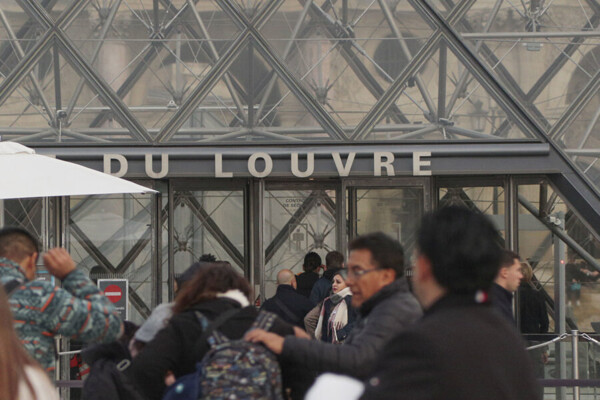
The Louvre Museum announced that starting January 14, 2026, it will apply a 45% increase in ticket prices for visitors from outside the European Economic Area (EEA). Even Louvre Abu Dhabi maintains lower rates, around 16 euros. According to the institution, the additional revenue will allow it to support its ongoing renovation and technological modernization program, which includes interventions on the glass pyramid, renovations in high-traffic areas, and improvements to the air conditioning system to protect the collections. The increase will not affect residents of the European Union or those under 18, who will continue to enter for free.
The announcement comes in a particularly sensitive context. In this framework, the Louvre launched an international competition to design the future dedicated room for the Mona Lisa, a space of about 2,000 m² under the Cour Carrée, which will have an independent route and a differentiated ticket. However, the measure revives the debate on access to major European museums and the impact that these price hikes may have on international tourism. The opening is not scheduled before 2031.
Conceived to receive four million visitors annually, the museum ended 2024 with nearly nine million, of which around 80% were international tourists. In October, the museum was closed for 24 hours following the theft of jewelry linked to Napoleon, an episode that led to questions about security protocols.
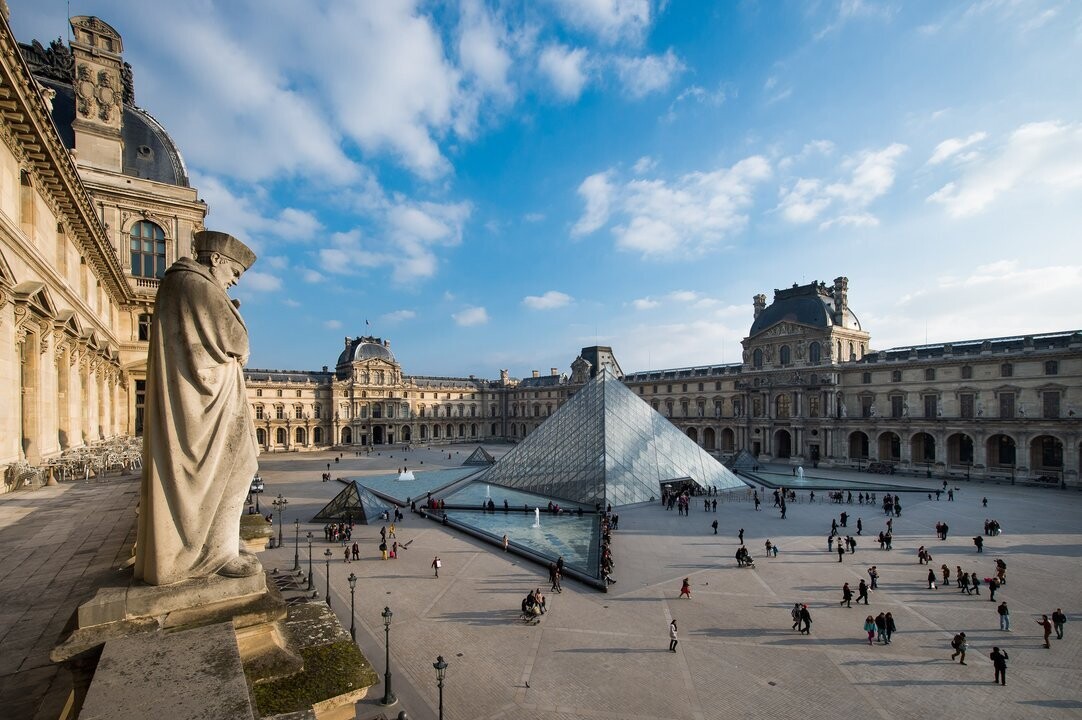
The ticket will rise from the current 22 euros to 32 euros, a measure that the institution attributes to the need to finance a wide-ranging plan of works and modernization that will be developed over the coming years. Shortly after, the Campana Gallery had to be temporarily closed due to structural damage to its beams, which reignited the debate on the building's general condition and the urgency of accelerating the planned works. In parallel, the so-called "rebirth project" is advancing, which includes interventions in I.M. Pei's pyramid, the relocation of service areas, and profound changes in the visit circuits.