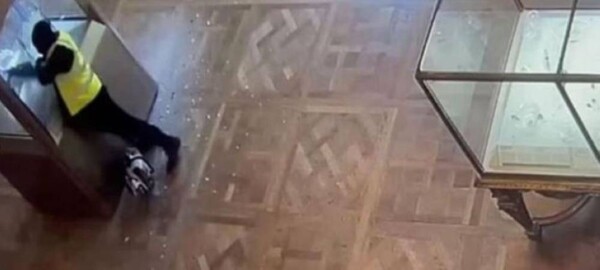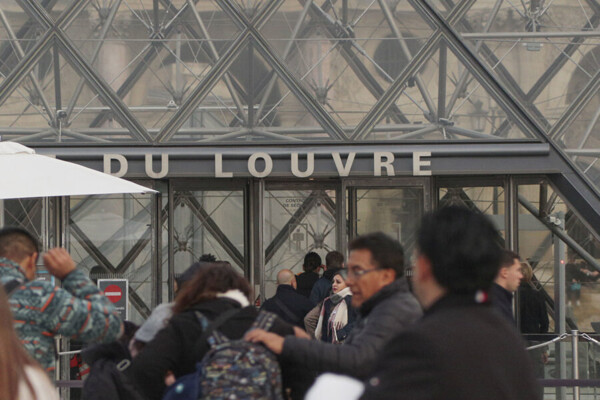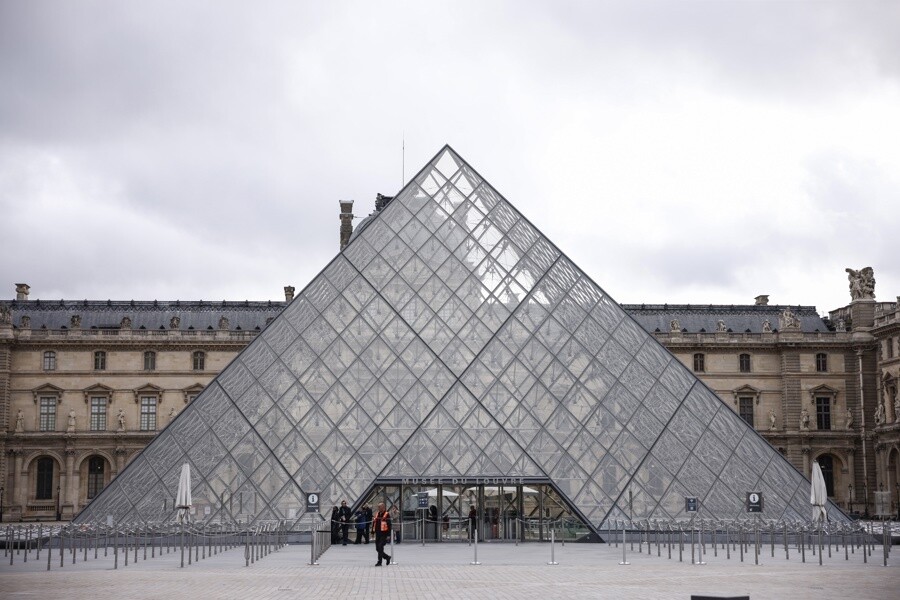
Paris, Nov 6 (EFE). - The French Court of Audits believes that the Louvre Museum chose to dedicate its considerable funds to "visible operations," such as the purchase of more artworks or the ambitious expansion plan announced by President Emmanuel Macron for 2025, rather than "renovating and improving the security" of its current facilities. This was stated by the President of the Court, Pierre Moscovici, at a press conference in Paris, called weeks after the theft of the French Crown Jewels that shook France and for which four people are charged, while the stolen objects remain missing. "The Louvre is not a victim of insufficient financial resources," Moscovici emphasized. "The management of the world's largest and most visited museum can only have a balanced analysis if it is based on the long term," the institution indicated. "A new balance is needed between the acquisition of new works, which are necessary, and the strengthening of security measures," Moscovici estimated. The museum received 9 million visitors in 2024, 80% of whom were foreigners, which, combined with the "aging of the facilities," has put pressure on the Louvre, according to the Court. The report notes that the Louvre purchased 2,754 artworks in eight years (2018-2024), representing an investment of 145 million euros, of which 105 came from its own funds. "The Court recommends eliminating the rule, enshrined in the institution's statutes, by which 20% of ticket revenue must be dedicated to the purchase of artworks. It is not a victim of austerity; it has significant resources," Moscovici opined, however, he pointed out that "there is a paradox" in this abundance because "the medium-term financial trajectory is fragile." The museum itself reacted to this report, stating that the Court of Audits "is unaware" of the Louvre's efforts in terms of security.