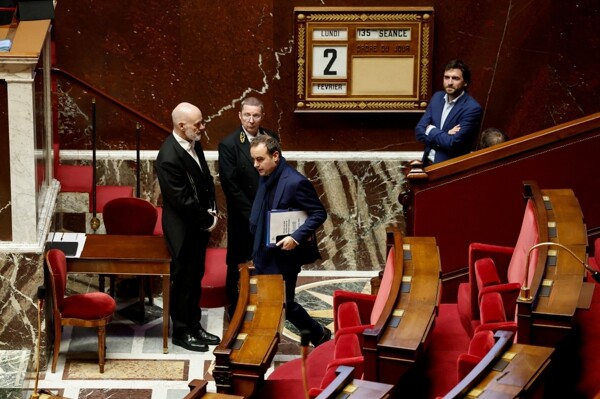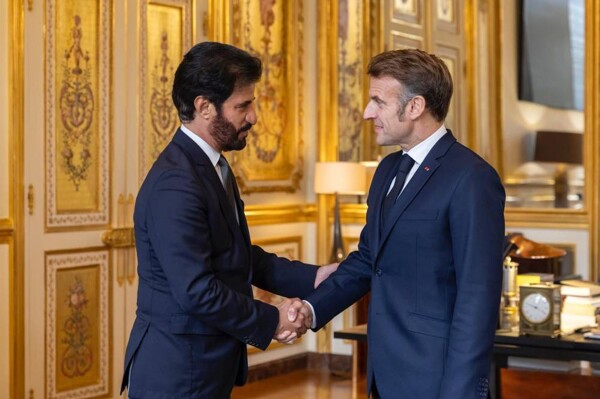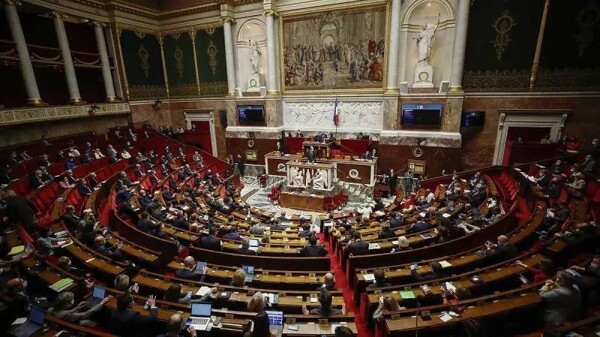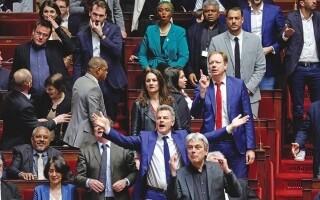
Italy, Greece, and Spain have reduced their budget deficits to levels that comply with European Union rules. The only exception is France, which has suffered a deficit exceeding 5% of GDP for three consecutive years. It was believed that France's economic decline compared to the countries that helped it during the eurozone crisis would force politicians to focus on this issue. However, France has failed to even pass a budget for 2026 and is now facing another series of parliamentary battles to adopt a budget by the end of the current month. The financial deadlock is a symptom of a deeper malady: a dangerous state of worsening collective political paralysis. President Emmanuel Macron is entering the final 15 months of his presidency, a time when he can still act internationally but is paralyzed domestically, with the support of less than 20% of the French. Macron's centrist coalition holds 161 out of 577 seats in the divided National Assembly (parliament), making it practically impossible to accomplish anything. A grim scene. The far-right and populist left are working to keep Macron paralyzed. It is a grim scene at a critical moment, and everyone bears some responsibility. France's slide into a state of ungovernability began in 2023 when opposition parties and unions sparked outrage over Macron's reasonable pension reform, which raised the minimum retirement age from 62 to 64. Incited by the populist left party 'La France Insoumise' and the far-right 'National Rally', protesters took to the streets to protest the demographic reality. After the National Rally's victory in the 2024 European Parliament elections, Macron called for early legislative elections, which left him with an even smaller centrist minority. The new Prime Minister, Michel Barnier, lasted only three months before the National Rally and La France Insoumise allied to oust him. A bold proposal. Barnier's successor, François Bayrou, bravely proposed a budget in July last year aimed at reducing the deficit to 4.6% of GDP, but parliament rejected it and brought down his government in September. The next prime minister, Gabriel Attal, managed to pass part of the budget by conceding to the socialists' demand to freeze the pension reform. To pass the rest, he agreed to a long list of new or increased taxes demanded by the socialists and the small Green party, but this was not enough, and in December, the government extended the 2025 budget into 2026. Flailing in the dark. All major political actors in France should be ashamed, and it seems the extremist parties are happy to leave France flailing in the dark. The leader of the 'Lutte Ouvrière' (Workers' Struggle) party, Arthuro Jésus, stands firm, while the leaders of the National Rally, Marine Le Pen and Jordan Bardella, hope Macron will fail so they can win the 2027 presidential election. The socialists and greens have no vision for solving France's budget crisis other than raising taxes. France's political decline began in 2023 when opposition and unions protested Macron's pension reform. François Bayrou proposed a budget to cut the deficit to 4.6% of GDP, but parliament rejected it, toppling his government. Over the past five years, Southern Europe, which had previously suffered, has managed to get its public finances in order. The Republicans, supposedly fiscal conservatives, allowed the suspension of a pension reform that would cost 100 million euros alone in 2026. Perhaps no one could have managed this squabbling team, but Macron's unbalanced and distant approach did not help. Finally, voters cannot be absolved: they failed to appreciate Macron's successful economic policies, refused to accept the need for social security reform, and continued to vote for the most irresponsible politicians. From 'The Economist'.